Why Rental Properties in Tallahassee's Older Neighborhoods Need Better Insulation
Tallahassee is home to some of Florida's most charming older neighborhoods, with historic homes that add character and appeal to the rental market. However, many of these properties were built decades ago, when insulation standards were far less stringent than today. If you own rental property in Tallahassee's established residential areas, you've likely noticed higher utility bills, uneven temperatures, or tenant complaints about comfort.
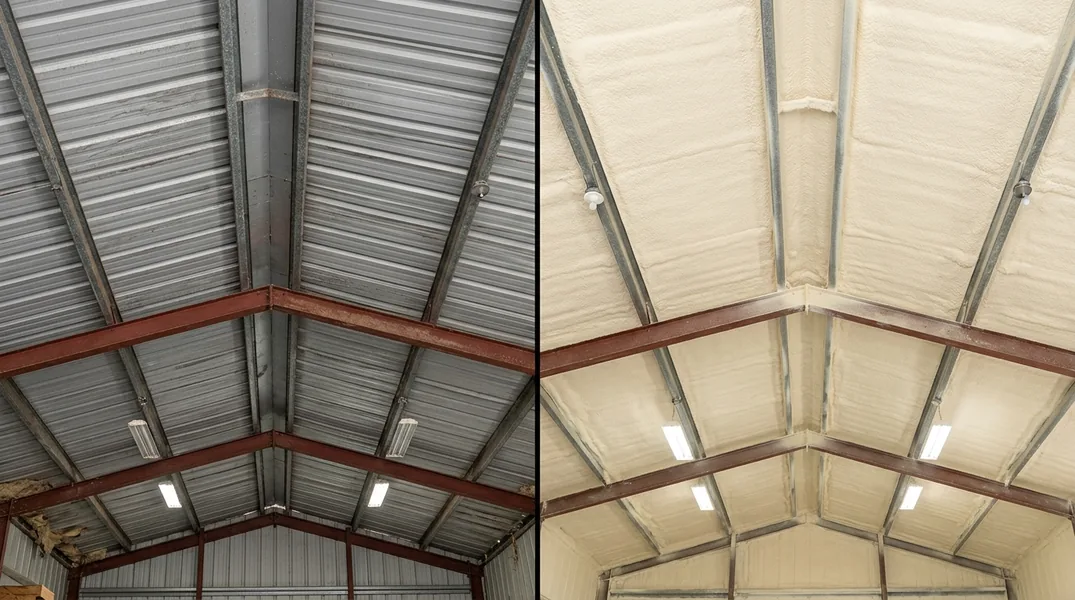
Older homes often suffer from inadequate attic insulation, air leaks, and moisture problems that drive up heating and cooling costs. For rental property owners, this translates to reduced profit margins and unhappy tenants. The good news is that upgrading your insulation doesn't require a full renovation. Attic Spray Foam Insulation offers a modern solution that addresses the unique challenges of older construction while delivering long-term savings and improved tenant satisfaction.
Spray Foam vs. Blown-In Insulation: Which Is Better for Rental Properties?
When comparing spray foam vs blown in insulation, the differences are significant, especially for older homes with irregular framing, gaps, and air leaks. Blown-in insulation (typically cellulose or fiberglass) is installed by blowing loose material into wall cavities and attic spaces. While it's less expensive upfront and easier to install in some situations, blown-in insulation has notable limitations for rental properties.
Blown-in materials settle over time, losing R-value and effectiveness. They don't seal air leaks the way spray foam does, leaving gaps around pipes, electrical penetrations, and framing inconsistencies common in older homes. This means tenants continue to experience drafts and temperature swings, leading to service calls and complaints. Spray foam, by contrast, expands on application and creates an airtight seal that lasts for decades. It fills every cavity, crack, and void, eliminating the air infiltration that drives up utility costs. For rental property owners focused on reducing maintenance headaches and keeping tenants comfortable year-round, spray foam delivers superior performance.
Spray Foam vs. Fiberglass: Why Fiberglass Falls Short in Older Homes
Fiberglass batts and rolls have been the standard insulation material for generations, and they're still commonly used in new construction. However, when evaluating spray foam vs fiberglass for older rental properties, the comparison reveals why spray foam is the smarter investment. Fiberglass batts require precise framing and cavity spacing to work effectively. In older homes where studs are irregular, spacing varies, and structural settling has occurred, fiberglass batts leave air gaps around edges and corners that compromise performance.
Additionally, fiberglass can absorb moisture, which is a significant concern in humid climates like Florida. Wet fiberglass loses insulating value and can promote mold growth, creating health hazards for tenants and liability for property owners. Spray foam resists moisture absorption and actively prevents condensation problems. It also provides superior sound dampening, which rental tenants appreciate in multi-unit buildings or homes near busy streets. When you factor in durability, air sealing, and long-term performance, spray foam outperforms fiberglass in nearly every metric that matters to rental property owners.
Spray Foam vs. Cellulose: Addressing Durability and Pest Concerns
Cellulose insulation is made from recycled paper and is often marketed as an eco-friendly alternative. However, when evaluating spray foam vs cellulose for rental properties, practical concerns should guide your decision. Cellulose is treated with fire retardants and pest deterrents, but these treatments can degrade over time, especially in warm, humid environments. In Tallahassee's climate, cellulose can absorb moisture and become a food source for insects and rodents if the protective treatments wear away.
Cellulose also settles significantly within the first few years of installation, reducing its R-value by 10 to 20 percent. This means your insulation investment loses effectiveness relatively quickly. Spray foam, whether Closed Cell Spray Foam Insulation or Open Cell Spray Foam Insulation, maintains its R-value for 30 years or more. It also creates a protective barrier that deters pests and prevents them from nesting in attic spaces. For rental property owners seeking a durable, low-maintenance solution, spray foam is the clear winner over cellulose.
Best Insulation for Attic: Why Spray Foam Leads the Market
When property owners ask what the best insulation for attic spaces is, the answer depends on your priorities. If you're renting out a property in an older neighborhood and want to minimize vacancies, reduce tenant complaints, and lower your operating costs, spray foam is the best choice. Unlike traditional insulation materials, spray foam provides comprehensive air sealing, moisture control, and thermal performance that other options simply cannot match.
Attic spaces are particularly vulnerable in older homes because they're often poorly ventilated, prone to air leaks, and subject to significant temperature extremes. Spray foam addresses all three issues simultaneously. It seals every gap and penetration, preventing conditioned air from escaping and unconditioned air from entering. This reduces the workload on HVAC systems, lowers energy bills, and extends equipment life. For rental properties where you're responsible for utility costs, or where tenant comfort directly impacts your ability to attract and retain renters, investing in spray foam is a smart financial decision.
Attic Spray Foam Insulation Cost in Tallahassee: What to Budget
Understanding the financial investment required for attic insulation upgrades is essential for rental property owners. Spray foam typically costs more upfront than blown-in insulation or fiberglass, but the long-term value is substantially higher. When evaluating pricing for attic spray foam projects, consider the total cost of ownership, not just installation expense.
A typical attic spray foam project in Tallahassee ranges from $1,500 to $3,500 depending on attic size, existing insulation, and whether you choose closed-cell or open-cell foam. While this is more than blown-in insulation might cost initially, the energy savings typically pay back the investment within 3 to 5 years. Additionally, reduced tenant turnover, fewer maintenance calls, and lower utility expenses add up quickly. For rental property owners, spray foam is an investment that improves your bottom line and property value. To get an accurate estimate for your specific property, contact Tallahassee Spray Foam Insulation at (850) 273-4971 or request a free estimate online.
Attic Spray Foam Insulation Near Me: When to Call a Professional
If you own rental property in Tallahassee and are considering insulation upgrades, now is the time to consult with experienced professionals. Spray foam installation requires specialized equipment, training, and expertise to ensure proper application and maximum performance. Attempting DIY spray foam application or hiring inexperienced contractors can result in poor coverage, wasted material, and subpar results that don't deliver the benefits you're paying for.
The team at Tallahassee Spray Foam Insulation has years of experience upgrading insulation in older homes throughout the region. We understand the unique challenges that Tallahassee's historic neighborhoods present, and we know how to deliver solutions that improve comfort, reduce costs, and increase property value. Whether your rental property needs attic spray foam, Wall & Injection Foam Insulation, or a combination approach, we'll assess your property and recommend the best strategy. Call us today at (850) 273-4971 to schedule a free estimate and discover how spray foam can transform your rental property's performance.
Looking for a professional spray foam insulation contractor in Tallahassee? Tallahassee Spray Foam Insulation responds fast for all your spray foam insulation needs.
Get a Free Quote