Why Older Homes in Betton Oaks and Richview Park Need Better Insulation
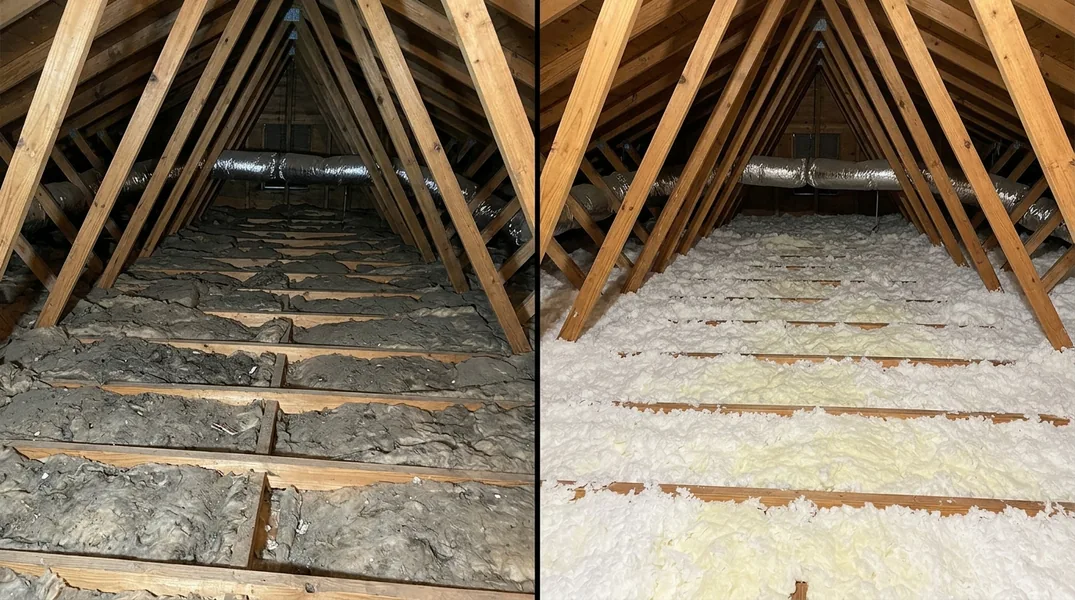
Homes in the Betton Oaks and Richview Park neighborhoods of Tallahassee were often built decades ago with insulation standards that no longer meet modern energy efficiency expectations. Older attics typically contain fiberglass batts or blown-in cellulose that have settled, degraded, or never provided adequate coverage in the first place. This means your heating and cooling systems work harder than they should, driving up utility bills and reducing comfort throughout the year.
The humid subtropical climate of Tallahassee adds another layer of complexity. Summer heat and moisture infiltration can damage traditional insulation, promote mold growth, and compromise indoor air quality. If you're a homeowner in these established neighborhoods wondering whether upgrading your attic insulation makes financial and practical sense, you're asking the right question. The answer often points toward Attic Spray Foam Insulation as a modern solution.
Is Spray Foam Insulation Worth It? The Real Benefits for Your Home
When evaluating whether spray foam insulation is worth it, consider the long-term performance advantages over traditional materials. Spray foam creates an air-tight seal that fills gaps, cracks, and irregular spaces that conventional insulation simply cannot reach. This means fewer air leaks, better temperature consistency, and lower energy consumption. For homeowners in older neighborhoods like Betton Oaks and Richview Park, this translates to measurable savings on heating and cooling costs, sometimes 15 to 20 percent or more depending on your current insulation condition.
Beyond energy savings, spray foam provides structural benefits and moisture control that justify the investment. It adds rigidity to your attic framing, reduces vibration and noise from weather, and creates a moisture barrier that protects against the humidity challenges common in Tallahassee. The lifespan of spray foam also exceeds traditional insulation. While fiberglass batts may need replacement every 15 to 20 years, properly installed spray foam can last 30 years or longer without settling or losing effectiveness. If you plan to stay in your home long-term, the durability factor alone makes it worth it.
Is Spray Foam Insulation Safe? Addressing Common Concerns
Safety is a legitimate concern when considering any insulation upgrade. The good news is that spray foam insulation, when installed by qualified professionals, is safe for residential use. Both Closed Cell Spray Foam Insulation and Open Cell Spray Foam Insulation are manufactured to meet strict building codes and EPA standards. The chemicals used in modern spray foam formulations have been thoroughly tested and approved for indoor application when installed correctly.
What matters most is proper installation and ventilation during and after the application process. Professional installers understand how to apply spray foam safely, ensuring adequate air circulation and allowing proper curing time. Once fully cured, spray foam poses no health risk to occupants. The material is inert and does not release harmful substances into your living space. If you have concerns about specific health conditions or sensitivities, discuss them with your installer before work begins. Reputable companies in Tallahassee take safety seriously and will address your questions thoroughly.
Understanding Spray Foam Off-Gassing and Curing Times
One of the most misunderstood aspects of spray foam insulation is off-gassing. When spray foam is first applied, it undergoes a chemical curing process that can release odors and volatile organic compounds (VOCs) into the air. This is temporary and normal. The intensity and duration of off-gassing depend on the type of foam, ambient temperature, and humidity levels. In Tallahassee's warm climate, curing typically happens faster than in cooler regions, often within 24 to 48 hours.
During the curing period, it is important to ventilate your home properly. Professional installers will advise you to keep windows and doors open and avoid occupying the attic area until the foam has fully cured. Once cured, spray foam off-gassing stops completely. The material becomes stable and inert, releasing no harmful substances. If you're concerned about VOCs or have respiratory sensitivities, open-cell spray foam typically has lower VOC emissions than closed-cell varieties, though both are considered safe once fully cured. Your installer can help you choose the best option for your specific situation and health considerations.
Spray Foam Insulation Problems and Cons: What You Should Know
No insulation product is perfect, and spray foam insulation does have some drawbacks worth understanding. One common concern is cost. Spray foam is more expensive upfront than fiberglass or cellulose insulation. However, when you factor in energy savings, durability, and reduced maintenance over 20 to 30 years, the total cost of ownership often favors spray foam. Another potential issue is improper installation. If spray foam is applied too thickly, applied in layers without proper spacing, or installed in poorly ventilated spaces, it can trap moisture and create problems. This is why choosing a qualified, experienced contractor is critical.
Some homeowners worry about spray foam's impact on attic ventilation and moisture management. Closed-cell foam can create a vapor barrier that may interfere with your attic's natural breathing if not properly balanced with ventilation. Open-cell foam is more vapor-permeable and may be better suited for certain applications. Additionally, if spray foam is applied over roof vents or blocks soffit ventilation, it can cause moisture accumulation. A professional installer will ensure proper ventilation is maintained and that the foam is applied in a way that complements your home's moisture management system. These concerns are manageable with proper planning and expert installation.
Spray Foam Insulation Pros and Cons: Making Your Decision
Let's summarize the key advantages and disadvantages to help you make an informed decision for your Betton Oaks or Richview Park home. The pros include superior air sealing and energy efficiency, longer lifespan than traditional insulation, improved comfort and temperature consistency, structural reinforcement, moisture control, and reduced HVAC strain. The cons include higher upfront pricing, the need for professional installation, temporary odors during curing, and the importance of proper ventilation design.
For most homeowners in older neighborhoods around Tallahassee, the pros significantly outweigh the cons, especially if you plan to stay in your home long-term. The energy savings alone recover much of the initial investment within 10 to 15 years, and the comfort and durability benefits extend well beyond that. If you're still uncertain whether spray foam is right for your specific situation, the best approach is to get a professional assessment. Tallahassee Spray Foam Insulation offers a free estimate so you can understand your options without obligation. Call (850) 273-4971 to discuss your attic insulation needs with an expert who understands the unique challenges of older homes in your neighborhood.
Looking for a professional spray foam insulation contractor in Tallahassee? Tallahassee Spray Foam Insulation responds fast for all your spray foam insulation needs.
Get a Free Quote